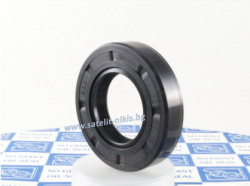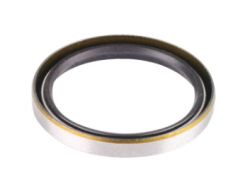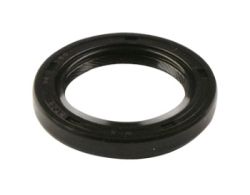
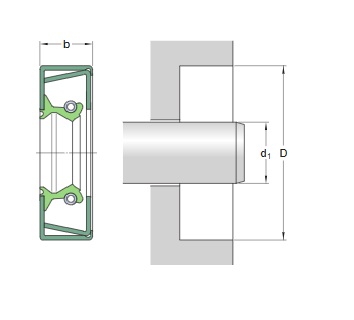
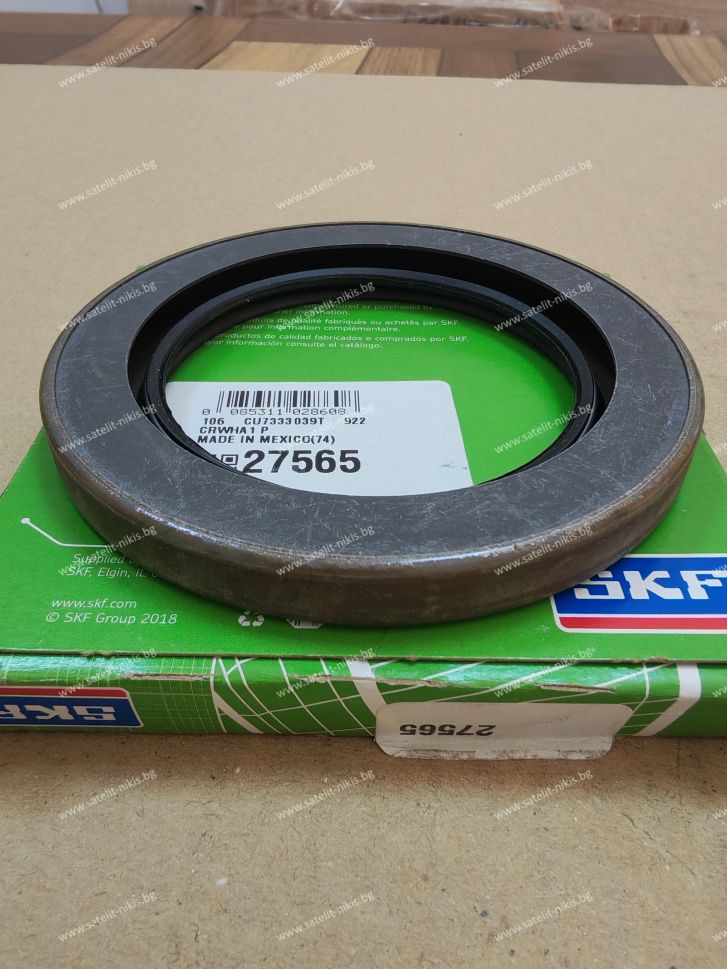
Oil seal CRWHA1 NBT (CS) 69.85x101.68x11.13 ACM 27565 SKF
-
Code:46069101114
-
Weight:0.104 Kgs
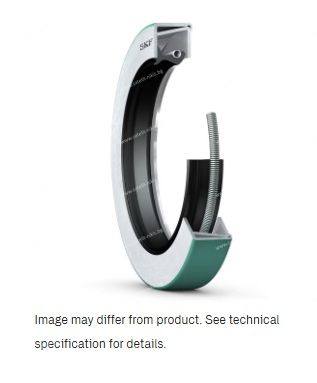
Oil seal type CRWHA1 R (C), without dust lip and with spring.
Material: acrylic rubber (ACM)
Helix:
Manufacturer:

For delivery options to your country, please do not hesitate to contact us!
Product photos are for illustrative purposes and may differ from the actual appearance of the item. This does not affect the characteristics of the product.
Estimated Shipping
 to Targovishte starts at
€3.31
outside Targovishte starts at
€3.43
to Targovishte starts at
€3.31
outside Targovishte starts at
€3.43
 outside Targovishte starts at
€3.72
to Targovishte starts at
€3.72
outside Targovishte starts at
€3.72
to Targovishte starts at
€3.72

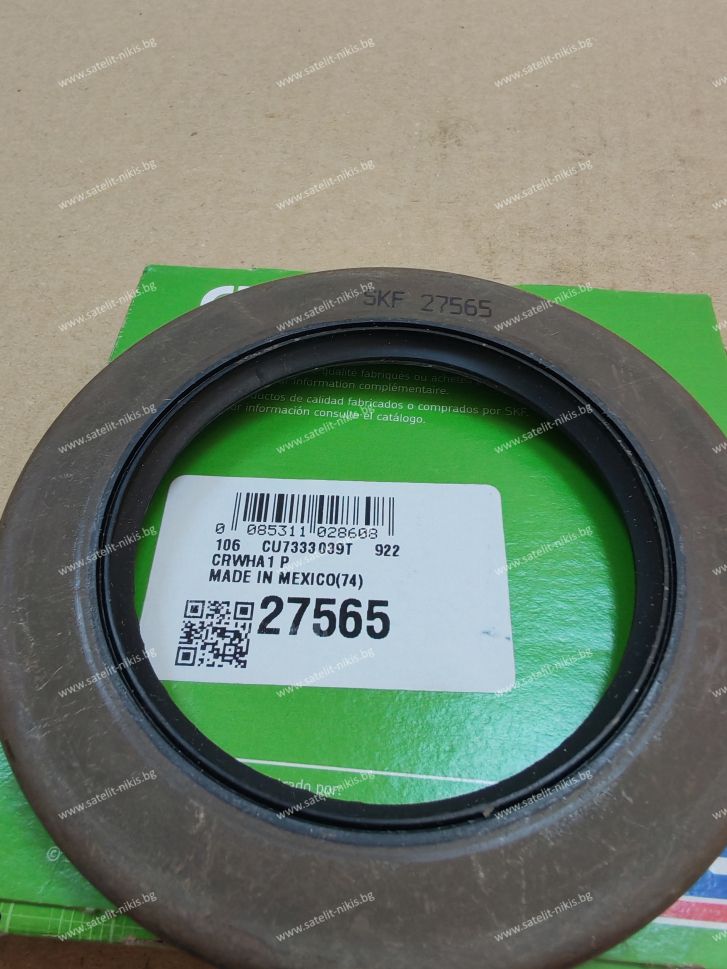
NBT coating - see below
The official proprietary coating for SKF metal housings is called Bore-Tite. It is a water-based acrylic sealant that is factory-applied to the outer metal surface of the seal
Key features of Bore-Tite coating:
Compensates for roughness: The layer is 0.03 to 0.07 mm thick and is elastic, filling small defects and scratches in the housing seat.
Temperature resistance: Withstands operating temperatures up to 200 °C.
Chemical compatibility: Fully resistant to most oils, greases, alcohols, glycols and aqueous solutions of acids and bases.
Limitations: Not compatible with aromatic hydrocarbons, ketones and esters.
Why is it used?
When the seal is fully metal-encased (e.g. CRW1 or CRWHA1 series), there is a risk of microscopic leaks between the metal bed of the machine and the seal itself if the surface is not perfectly ground. The coating eliminates the need to apply additional liquid silicone or adhesive during installation.
Polyacrylate Rubber (ACM) properties:
Standard color: black
Advantages:
- Good oil and fuels resistance.
- Good heat resistance up to 150℃ in oil.
- Good weather and ozone resistance.
Limitations:
- Not usable in contact with water and water solutions.
- Limited cold flexibility.
- Limited tensile strength and tear resistance.
- Poor wear resistance.
- Poor resistance against polar and aromatic and chlorinated hydrocarbons.